Also on YouTube.
About the film
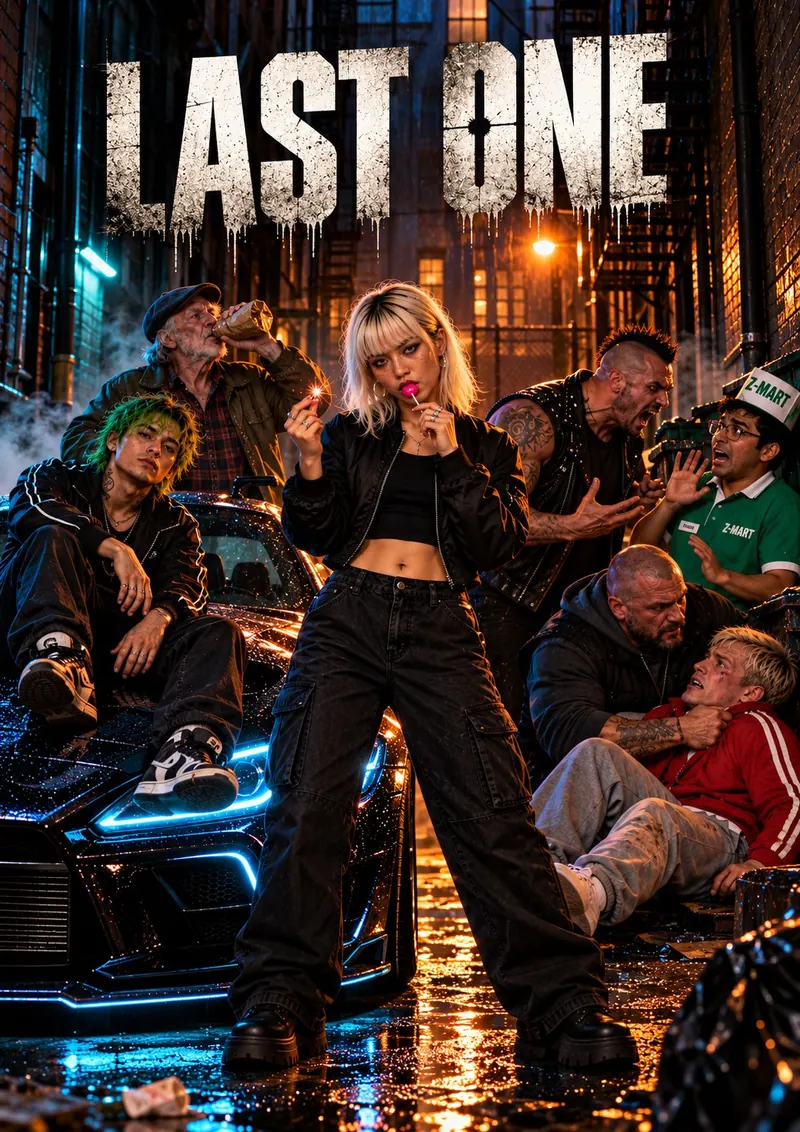
In a city where cruelty has become casual and looking away is easier than caring, a mysterious young woman walks through the lives of strangers with a lollipop in her mouth and an unsettling calm in her eyes.
She watches.
A man humiliated for being different. An old soul forgotten on the sidewalk. A cashier trapped behind a counter. Small moments of intimidation, indifference, and fear: the kind the world has learned to ignore.
But she doesn't ignore them.
With a simple snap of her fingers, the balance shifts.
Last One is a dark, surreal short film about the quiet choices that define us: who we protect, who we abandon, and what happens when someone finally decides that enough is enough.
Because sometimes the most dangerous person in the room isn't the one making the most noise.
It's the one who has been watching the whole time.
Logline
Out of candy on a rainy night, Lolly, a young woman who can stop time with a snap of her fingers, walks to the corner store and ends up saving everyone she meets, including the guy who laughed at her.
- Runtime
- 2 min 51 s
- Genre
- Dark fantasy, action
- Country, year
- Canada (Quebec), 2026
- Language
- English · subtitles EN, FR
- Format
- 1920×1080, 16:9, 24 fps, stereo
- Director
- Gabriel Brien
- Production
- Crimson Spark Agency
- Series
- The Lolly Series
One night, one girl, one snap.
Night, heavy rain. In a run-down studio apartment, Lolly sits on her kitchen counter and stares into an empty candy jar. "Damn… out of candies… again."
She grabs her keys and her pink headphones and heads out. On the steps of her building, her neighbour Kyle and his friend laugh at her: who is she going to save from death tonight, Miss Lollipop? She smiles and says nothing. In her head: "Certainly not you."
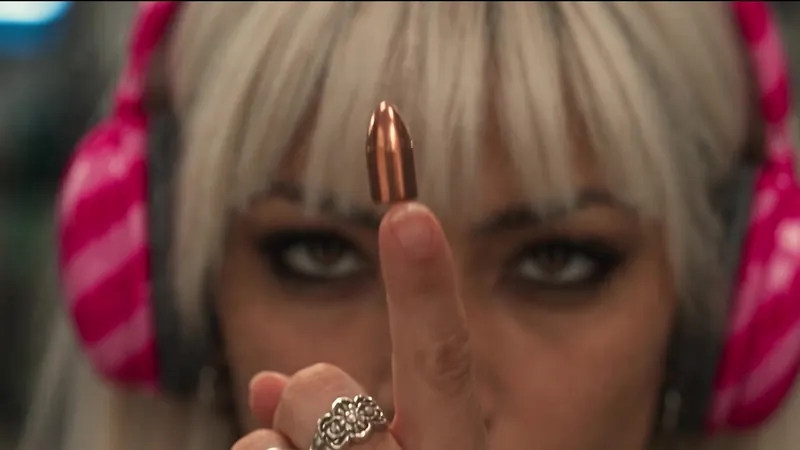
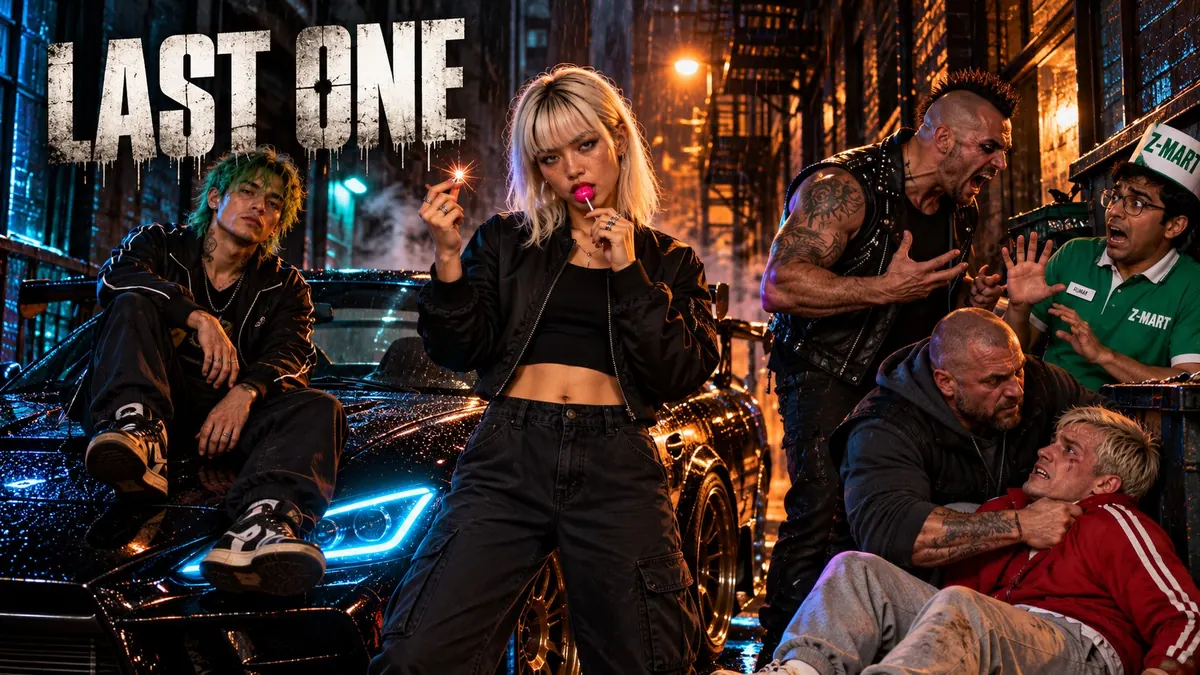
At the corner store, a robber is holding a gun on the clerk. He fires. The bullet stops in mid-air. Lolly walks into the frozen store, punches the robber, pours his own coffee over his head, flicks the bullet off course and snaps her fingers. The clerk, still alive, can only say "Thanks."
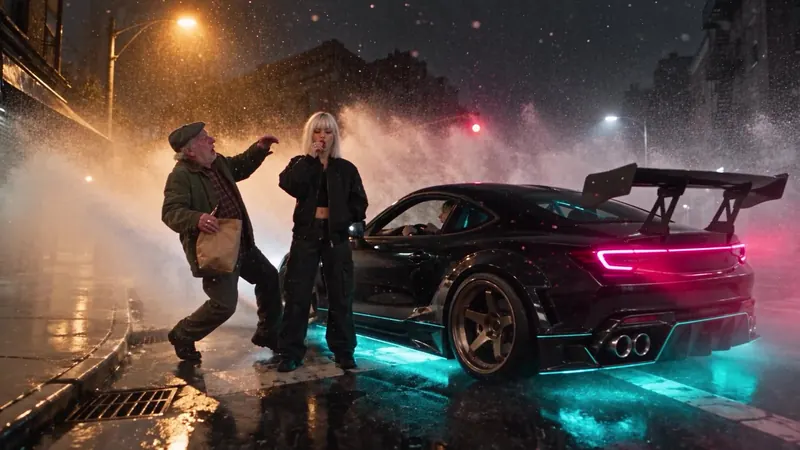
Outside, the robber stumbles out, soaked and bruised, and recognises her. He apologises, begs her forgiveness and hands her a lollipop. "Okay. Now you can leave." A drunk old man walks into the store; when he comes out, he steps in front of a car drifting through the intersection, and Lolly gives him a second chance too.
On the way home she hears a cry from an alley. Two thugs are beating Kyle, the neighbour who laughed at her. "Hey miss… can you help me a little? I promise I won't laugh at you again." She puts her lollipop away, picks up a metal bar, smiles, and snaps her fingers.
Characters
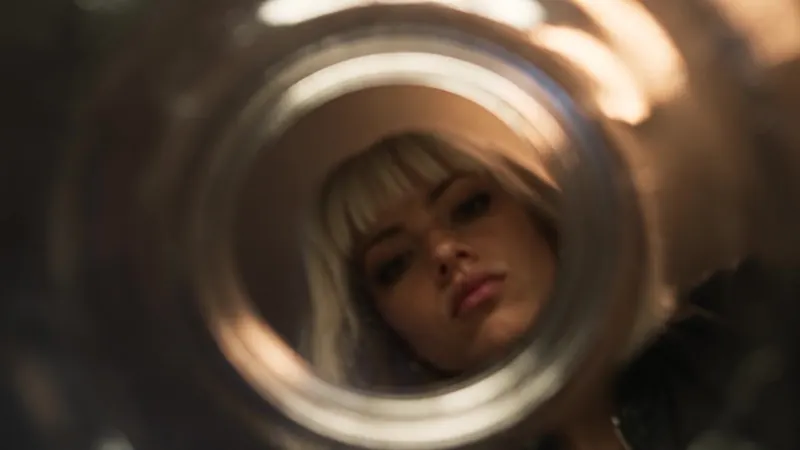
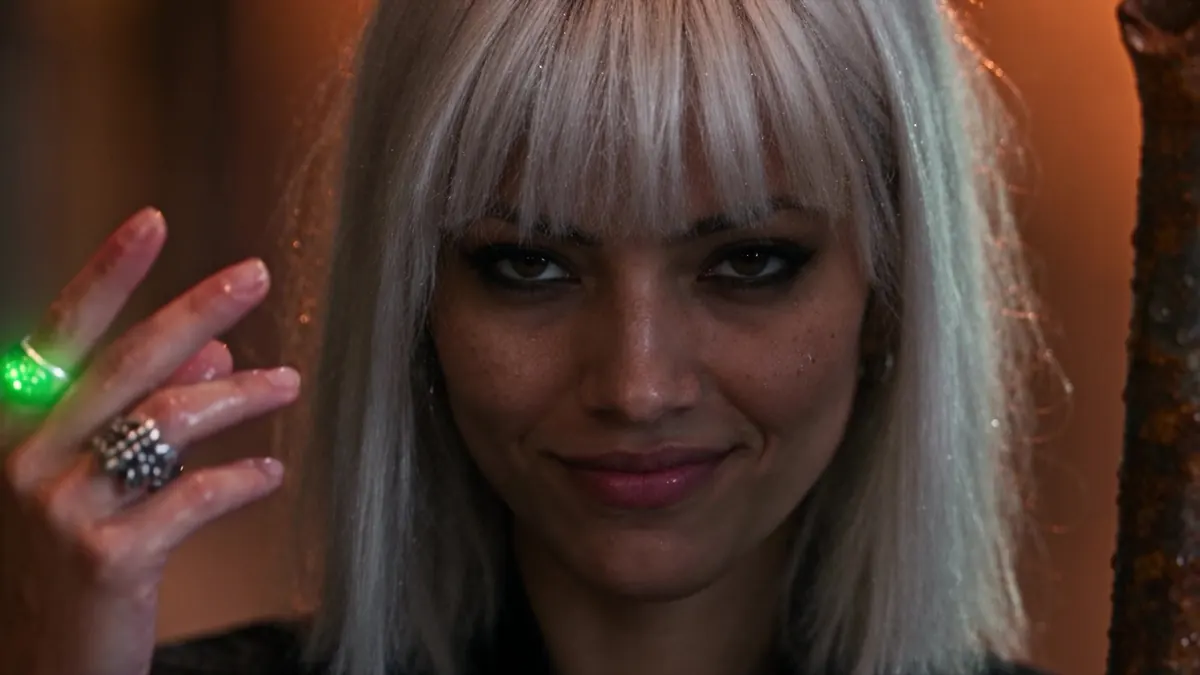
Lolly, 25. Platinum hair, pink headphones, never without a lollipop. Superpower: … you'll see.
Kyle. The neighbour in the red track jacket who mocks her on the way out, and needs her on the way home.
Johnny. The robber. Huge, tattooed, and very sorry once he sees who stopped him.
Kumar. The night clerk at the Z-Mart, one bullet away from his last shift.
The old man. A regular at the store, too drunk to look both ways.
Steven and the thugs. Kyle's friend on the steps, and the two men in the alley.
Who deserves to be saved?
Last One began with a simple idea: what happens when someone who appears powerless is actually the most powerful person in the room?
I wanted to explore the small acts of cruelty we encounter every day: the humiliation, intimidation, and indifference that often happen in plain sight while everyone else simply keeps walking.
At the center of the film is Lolly. She doesn't lecture people or explain herself. She watches. And when she decides to intervene, she does so almost effortlessly. That contrast between innocence and power became the heart of the character.
The film is also an exploration of a new kind of filmmaking. Every visual sequence was created using generative AI, but the intention behind those images was deeply human. The characters, story, framing, performances, rhythm, sound, and final edit were shaped around a specific directorial vision.
For me, AI does not replace the filmmaker. It removes certain physical limitations between an idea and the screen. Suddenly, a filmmaker can imagine a world, direct it, reshape it, and bring it to life without asking whether that world is financially possible first.
Last One is both a story about consequence and an experiment in what independent cinema can become when imagination is no longer constrained by the size of the production.
From the film
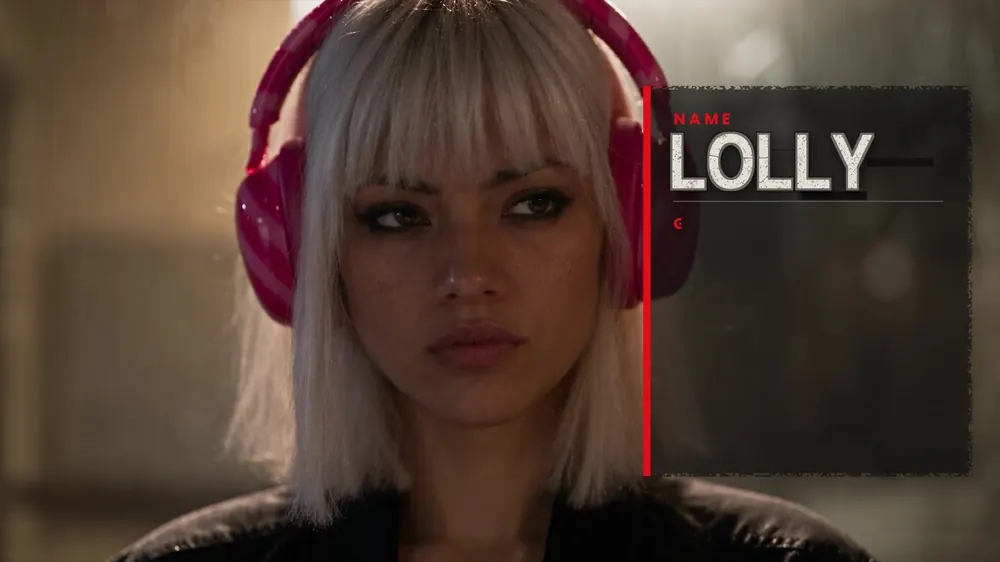
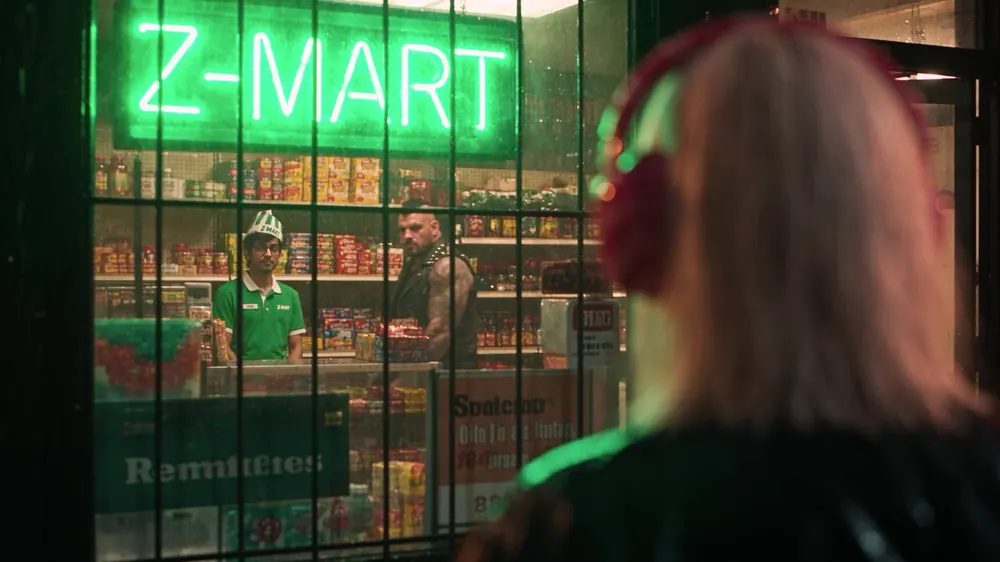
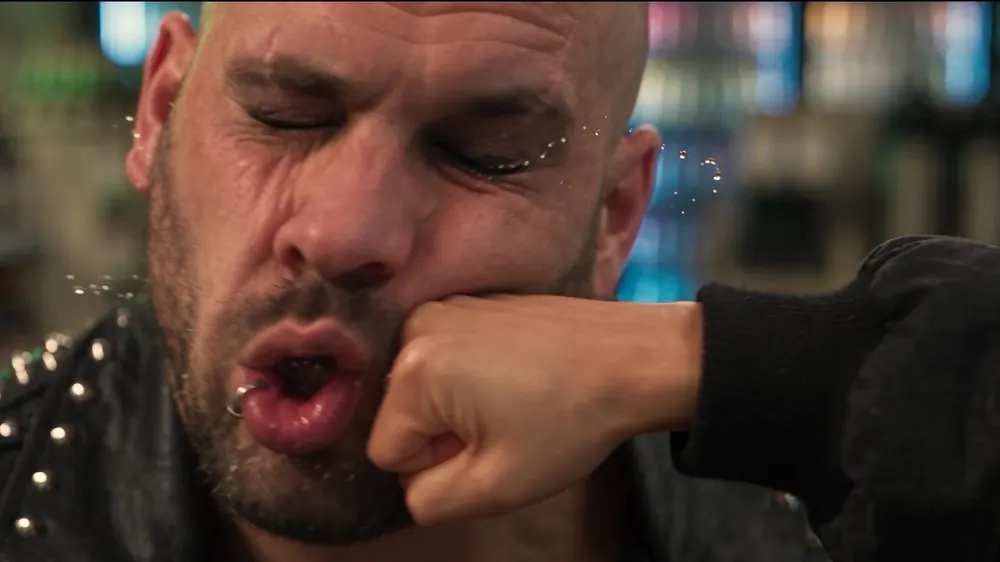
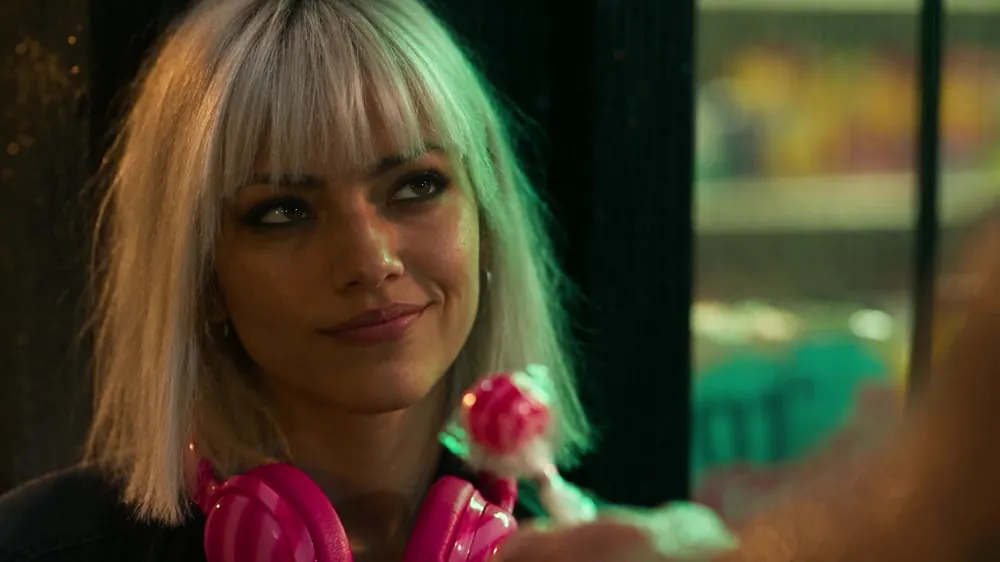
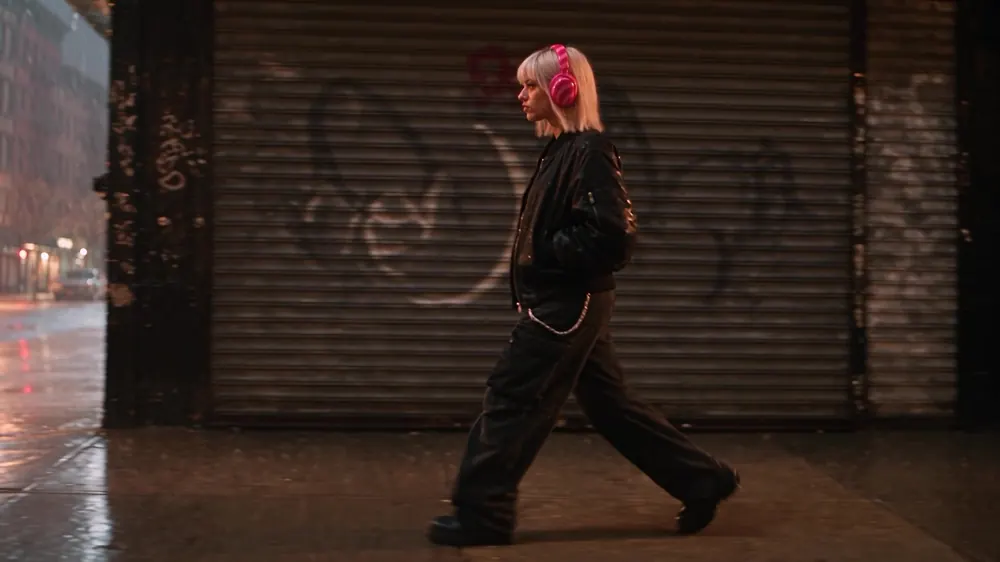
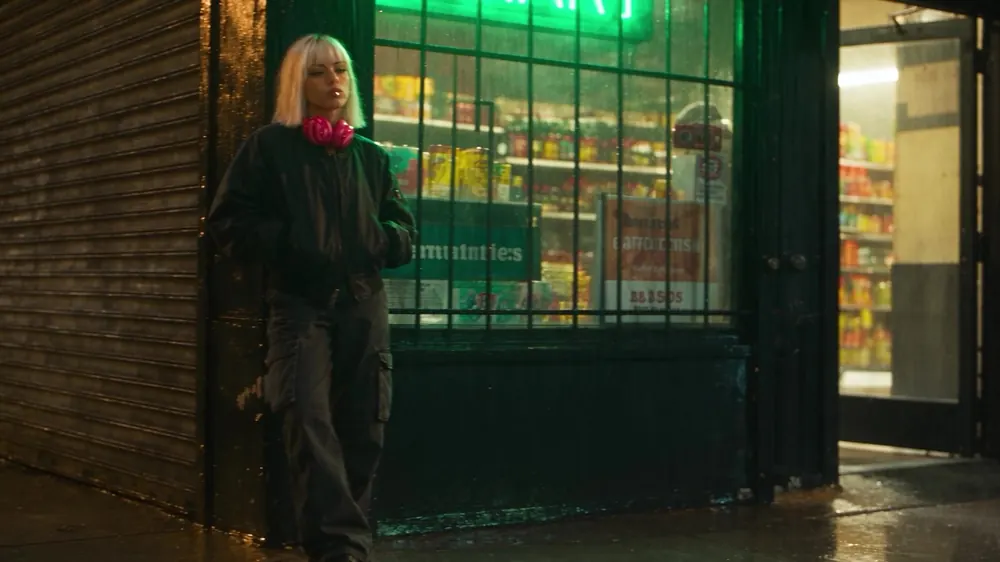
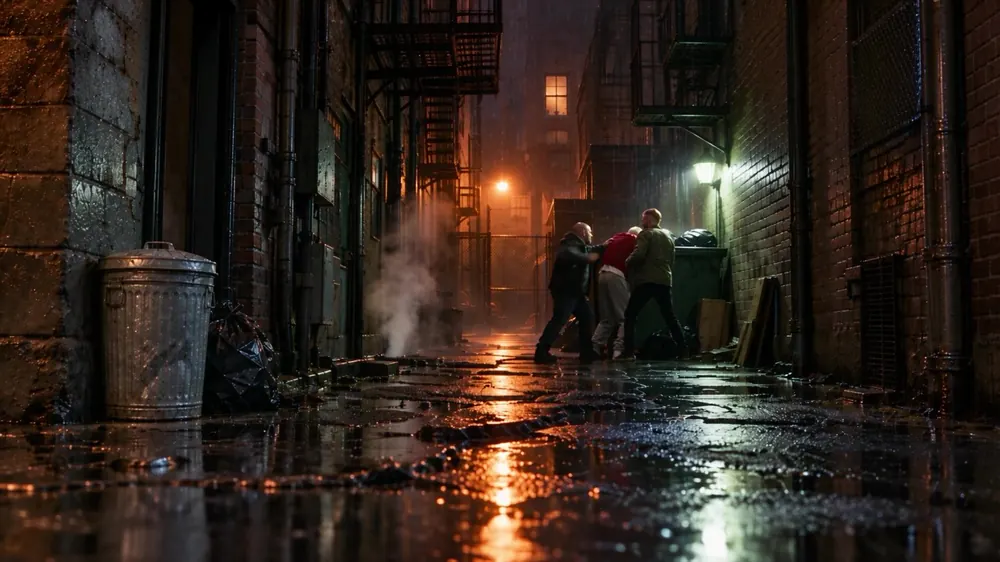
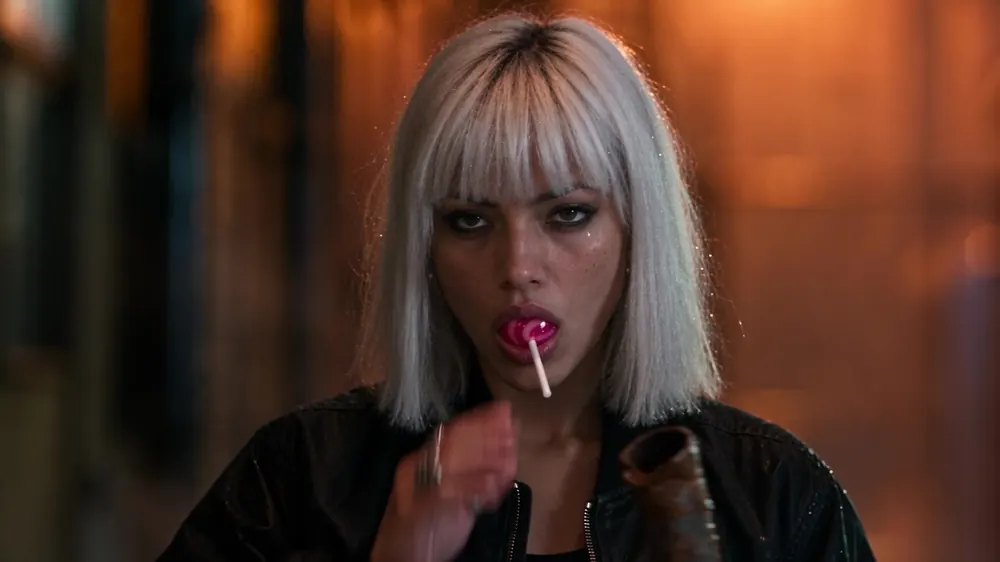
High-resolution stills (1920×1080), the poster and the key art are available on request.
A film made by one person, with no set and no camera.
Last One follows one character through one rainy night. It was built as seven sequences of 15 or 30 seconds, each generated as a single continuous take from one written master prompt, then assembled, mixed, coloured and subtitled in a conventional edit.
The method
- Script and storyboard. The story was written first, then broken into sequences and drawn shot by shot, so every sequence had one centre beat and a known length before anything was generated.
- Reference design. Every character, prop and location was fixed on a reference sheet against a neutral grey background: faces and wardrobe from three angles, props in their different states, locations from four camera positions. The written descriptions were then rewritten from the approved images, not from the original idea.
- Generation. Each sequence was written as one master prompt, in plain language, the way a cinematographer is briefed: one named camera angle per beat, the rhythm described in words, no timestamps. Cuts between places are hidden at the instant an object fully covers the lens.
- Voices. Dialogue was generated with the picture so the lip sync holds, then converted so each character keeps one voice across the film. Lolly's inner thoughts were added in post.
- Music, edit and mix. One generated score runs under the whole film. The edit, sound design, colour grade, titles and animated subtitles were done by hand.
AI declaration
Every image, character, location and voice in Last One is AI-generated, and so is the score. The film contains no filmed footage, no stock footage and no stock music. No real person's face or voice is used, and every character is fictional. The film is produced and owned by Crimson Spark Agency.
Technical specifications
- Runtime
- 2 min 51 s, including titles
- Picture
- 1920×1080, 16:9, 24 fps constant, H.264
- Sound
- Stereo, 48 kHz
- Subtitles
- English and French (.srt available)
- Production period
- September to October 2026
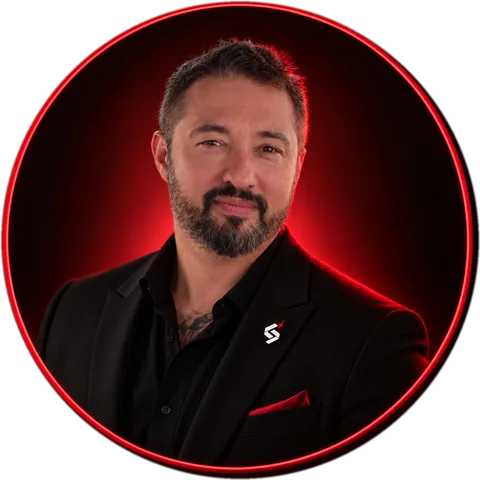
Gabriel Brien
Writer, director, producer and editor of Last One. AI filmmaker and creative director, founder of Crimson Spark Agency, based in Greater Montreal.
Gabriel Brien directs cinematic films made entirely with generative AI. He has spent the last three years and thousands of hours in generative production, learning what the models can hold, where they break, and how to brief them the way a director briefs a crew.
As chief operating officer of XPR Labs, he was creative director on Taebo Reboot: Master of the Elements, a game made with Billy Blanks and distributed in more than 30,000 copies across five continents. He produced its official trailer in one week, and more than 60 AI videos for its social campaign, built on one audacious idea: superheroes helping ordinary people get in shape. Those videos drew over 100,000 views on Instagram alone. Read the case study →
He now runs Crimson Spark Agency, an AI production studio that makes ads, brand films and short films for brands, agencies and producers. His method starts before anything is generated: every character, prop and location is fixed on a reference sheet, and every scene is written as one master prompt, so a film holds together from the first frame to the last. Last One belongs to the Lolly Series, built around a heroine he intends to keep.
Crimson Spark Agency
An AI production studio in Greater Montreal. Crimson Spark makes ads, product launches, brand films and short films for brands, agencies and producers in Quebec, Canada and abroad.
AI replaces the crew, the location and the days of shooting. It does not replace direction: every shot is chosen, composed and edited by a creative director, following a documented method for character, lighting and scene continuity. Its work spans construction, hospitality, tourism and manufacturing, with service in English and French.
What the studio does
Brand video
Ads, product launches and brand films, built from a brand's own references or fully generated.
Film production
Short films, music videos and branded stories, from script and animated storyboard to final mix.
Creative workflows
Method, training and consulting for agencies and creative directors adopting AI production.
Affiliations
Member of the Chambre de commerce et d'industrie Les Moulins · Listed in the AI Filmmakers Directory
Gabriel Brien
Creative director and founder
gabriel@crimsonsparkagency.com
crimsonsparkagency.com
Interviews by video call, in English or French
Watch the film in our portfolio
Available on request: a download link for the film, HD stills, poster and key art, director photo, English and French subtitle files.